Smarter Fraud Detection for Banks with AI
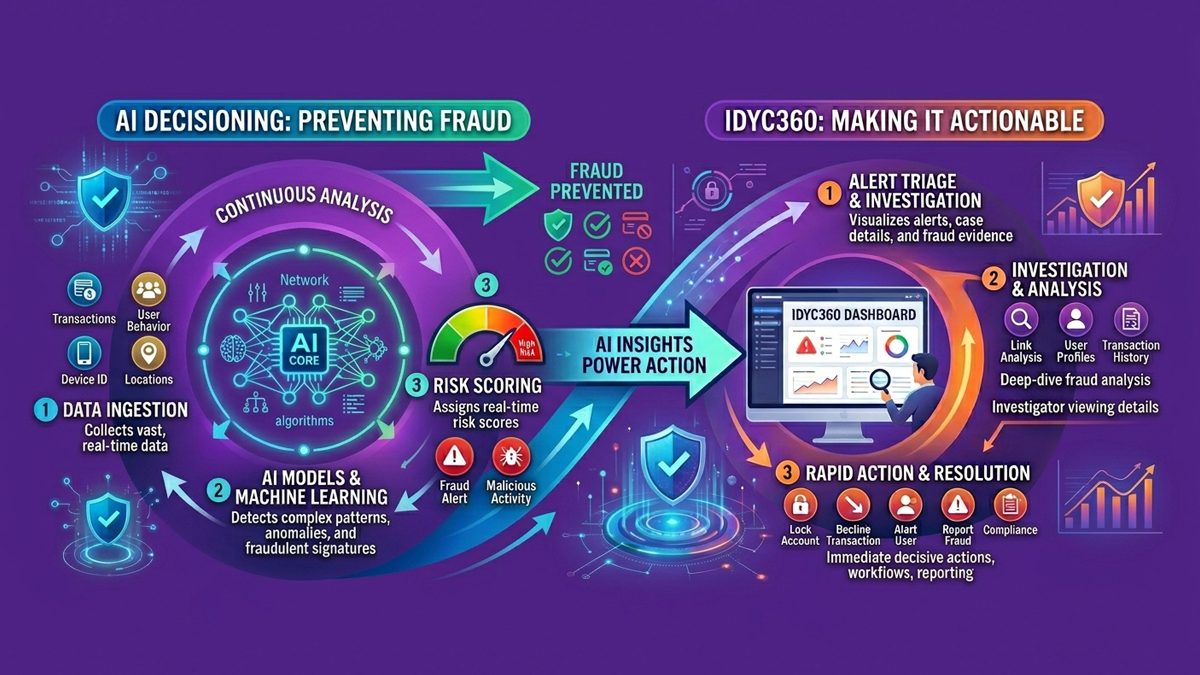
Artificial Intelligence (AI) is transforming how banks detect and prevent fraud. As digital banking, UPI, and online payments continue to grow, so do the tactics…
Read more Home
Home
Artificial Intelligence (AI) is transforming how banks detect and prevent fraud. As digital banking, UPI, and online payments continue to grow, so do the tactics…
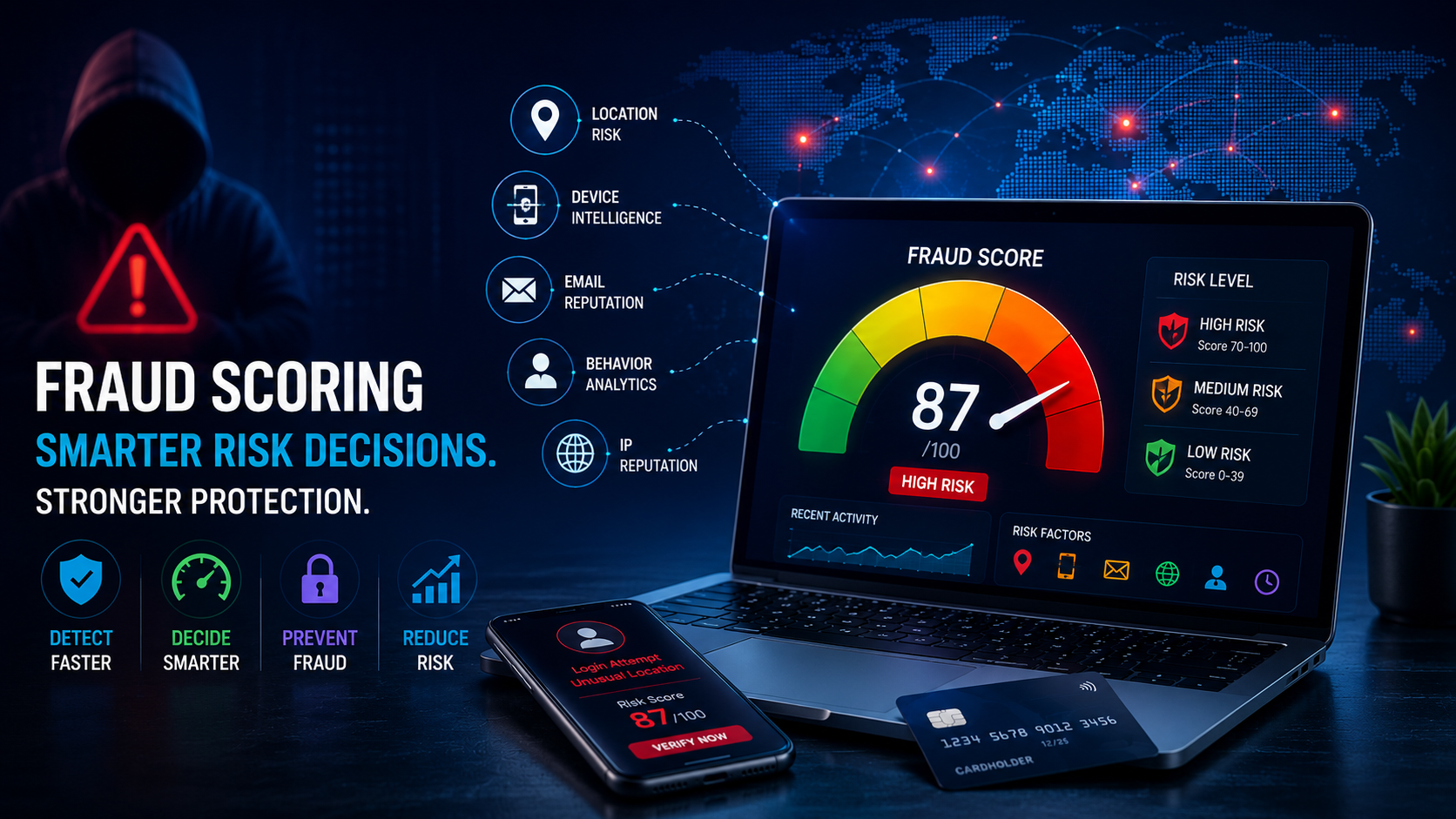
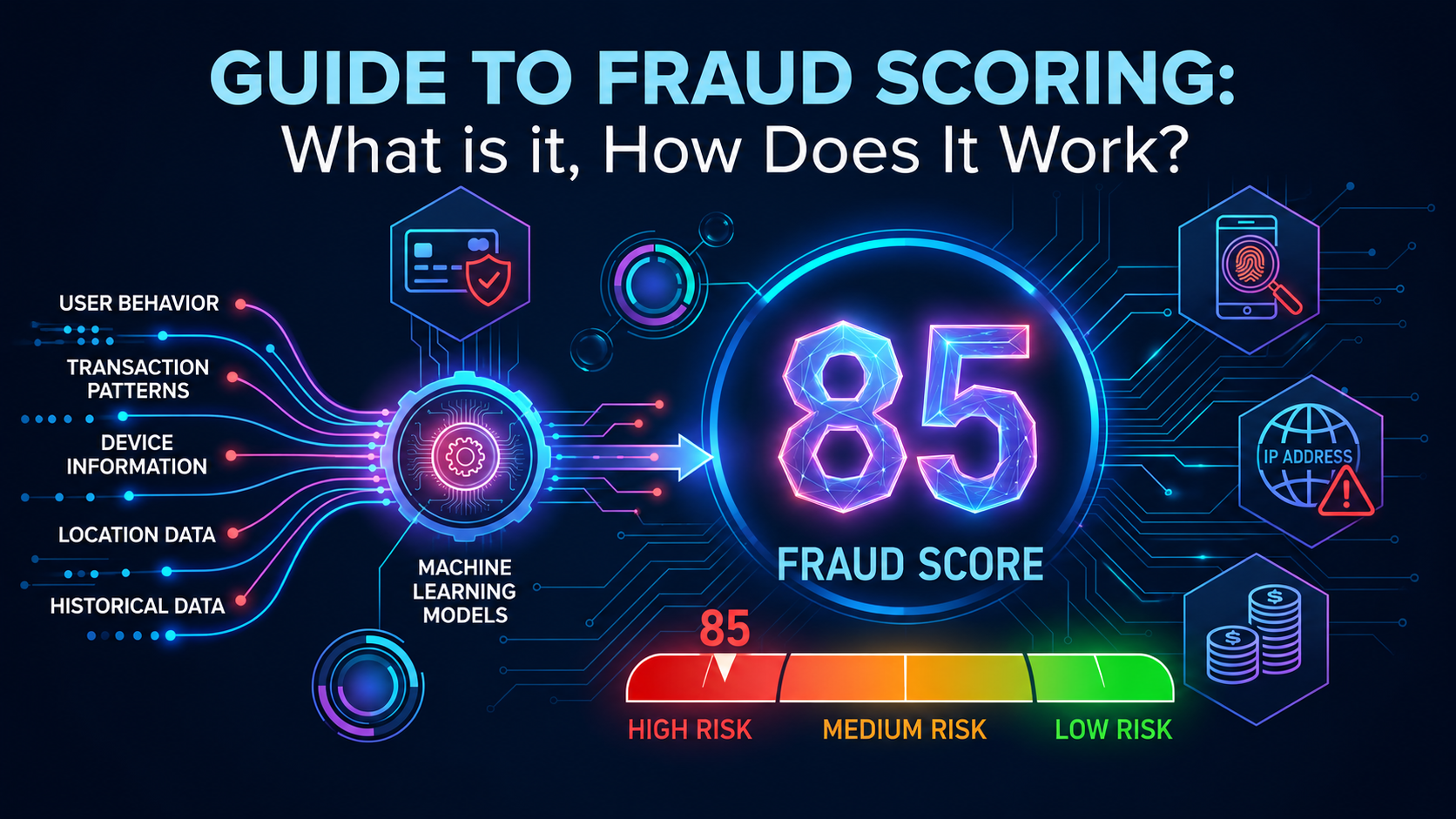
Read moreIntroduction Fraud scoring is a risk assessment method that helps organizations identify the likelihood of fraudulent transactions, accounts, or user activities. By analyzing multiple risk…
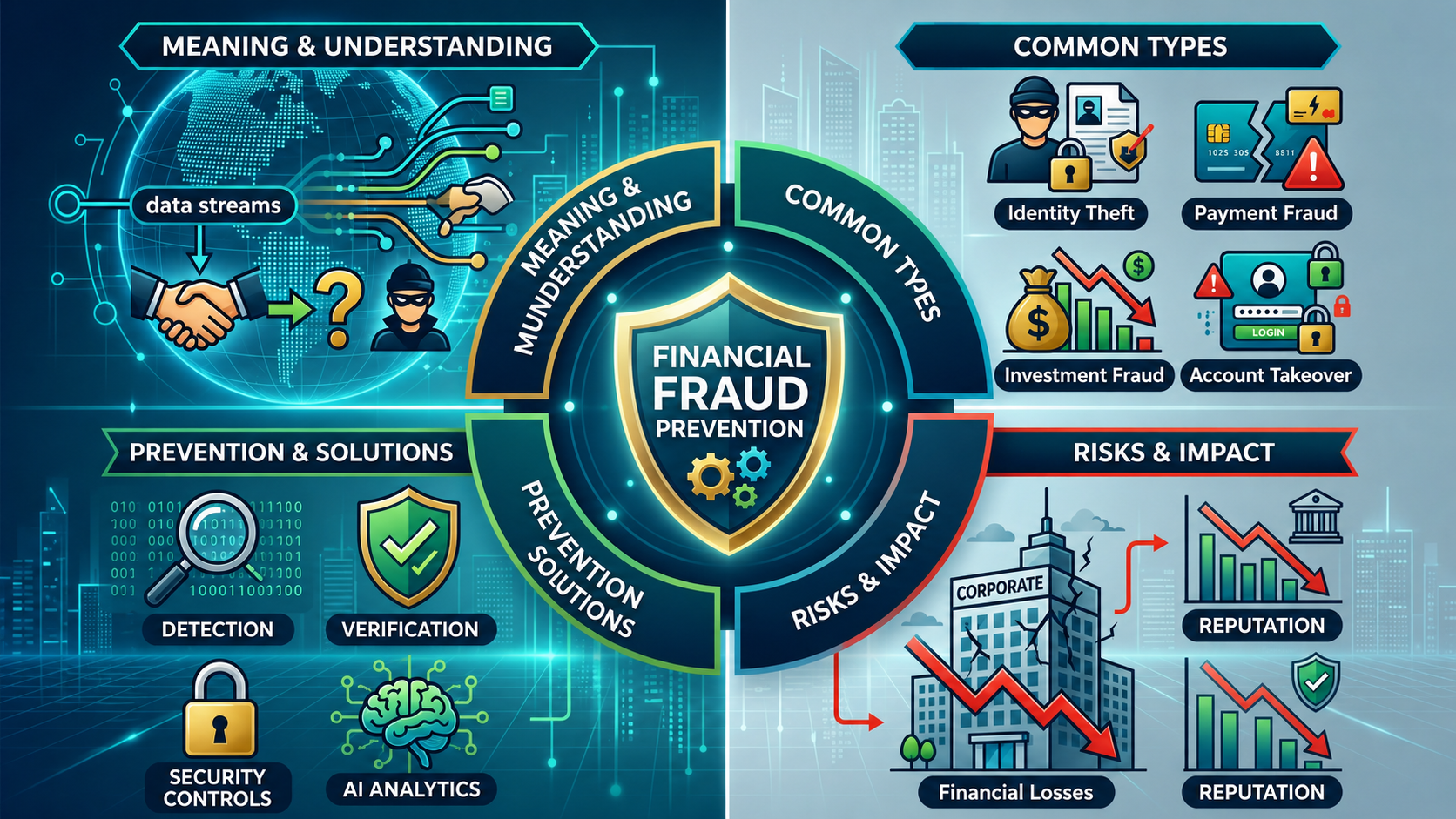
Read moreFinancial fraud continues to evolve as criminals adopt increasingly sophisticated methods to exploit digital banking, payment systems, and financial platforms. To combat these threats, banks…
Read moreIn today’s digital world, online transactions have become a part of everyday life. While they offer speed and convenience, they also create opportunities for fraudsters…
Read moreFinancial fraud is one of the most pressing threats to businesses, governments, and individuals worldwide. From investment scams to identity theft and money laundering, fraud…
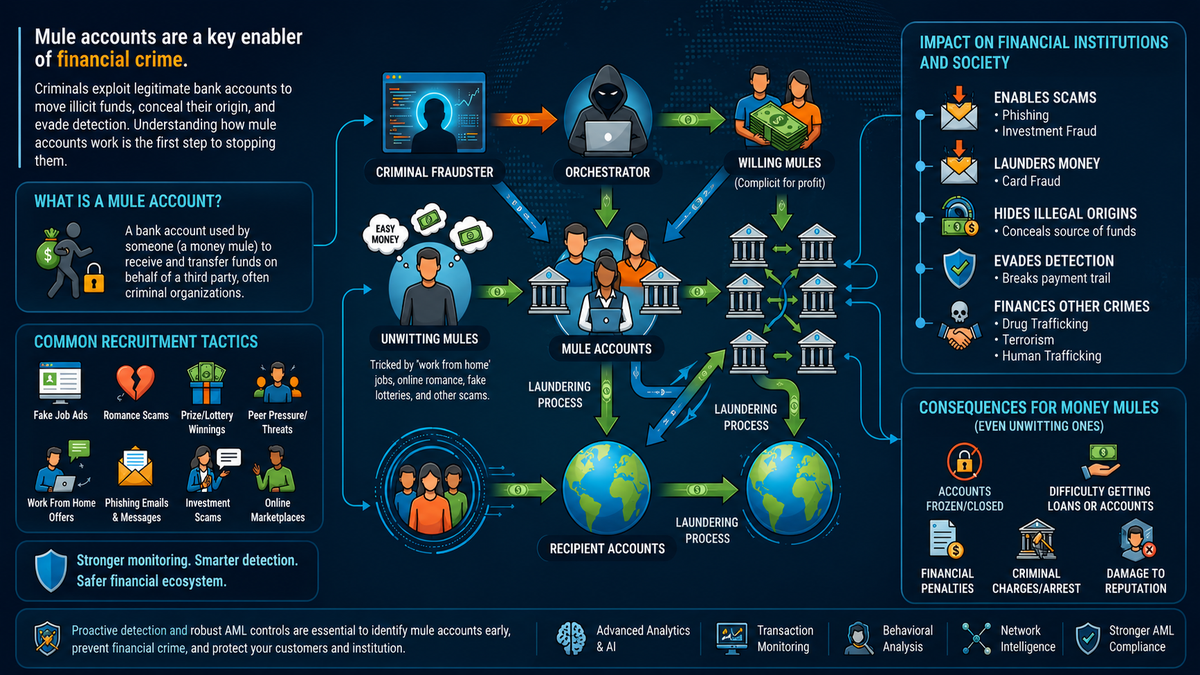
Read moreWhy Mule Accounts Are Increasing The rise of digital banking, instant payments, online scams, and remote account opening has created new opportunities for criminals to…
Read moreIntroduction Today’s fast digital world transaction volume and speed both are increasing rapidly especially UPI, mobile banking and fintech platforms. but with the growth challenges…
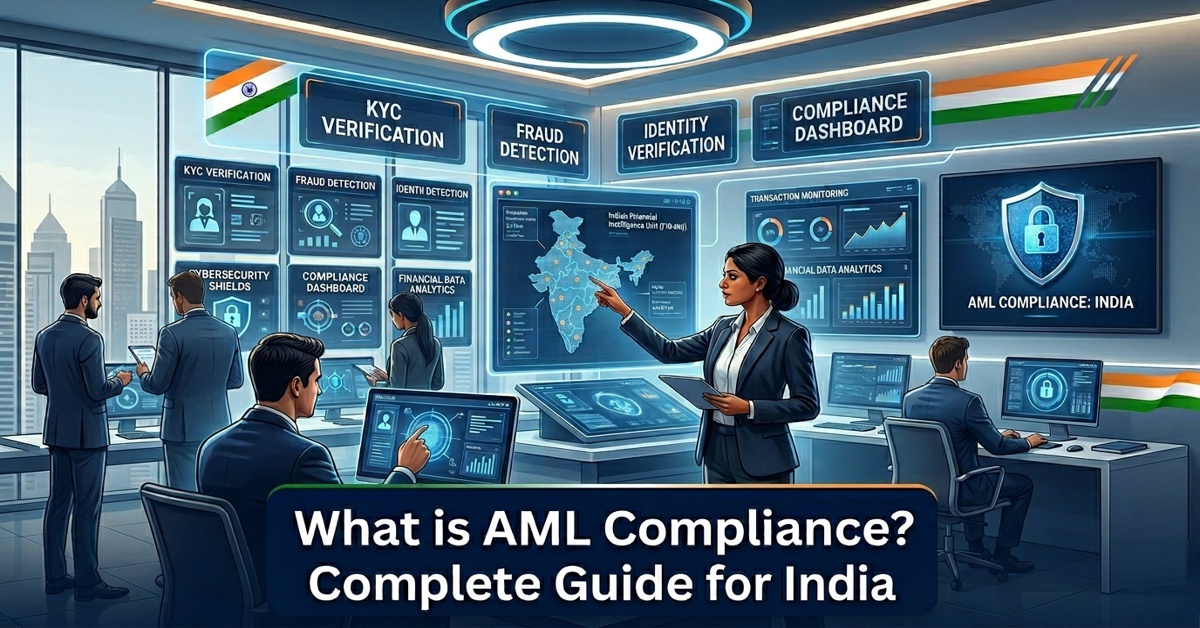
Read moreToday’s rapidly evolving digital economy, financial institutions face increasing threats from cybercrime, money laundering, mule networks, identity fraud, insider threats, and sophisticated financial scams. Banks,…
Read moreFinancial fraud is no longer limited to isolated suspicious transactions. Today’s fraud is faster, more coordinated, and more adaptive. Fraudsters use mule accounts, distributed transaction…
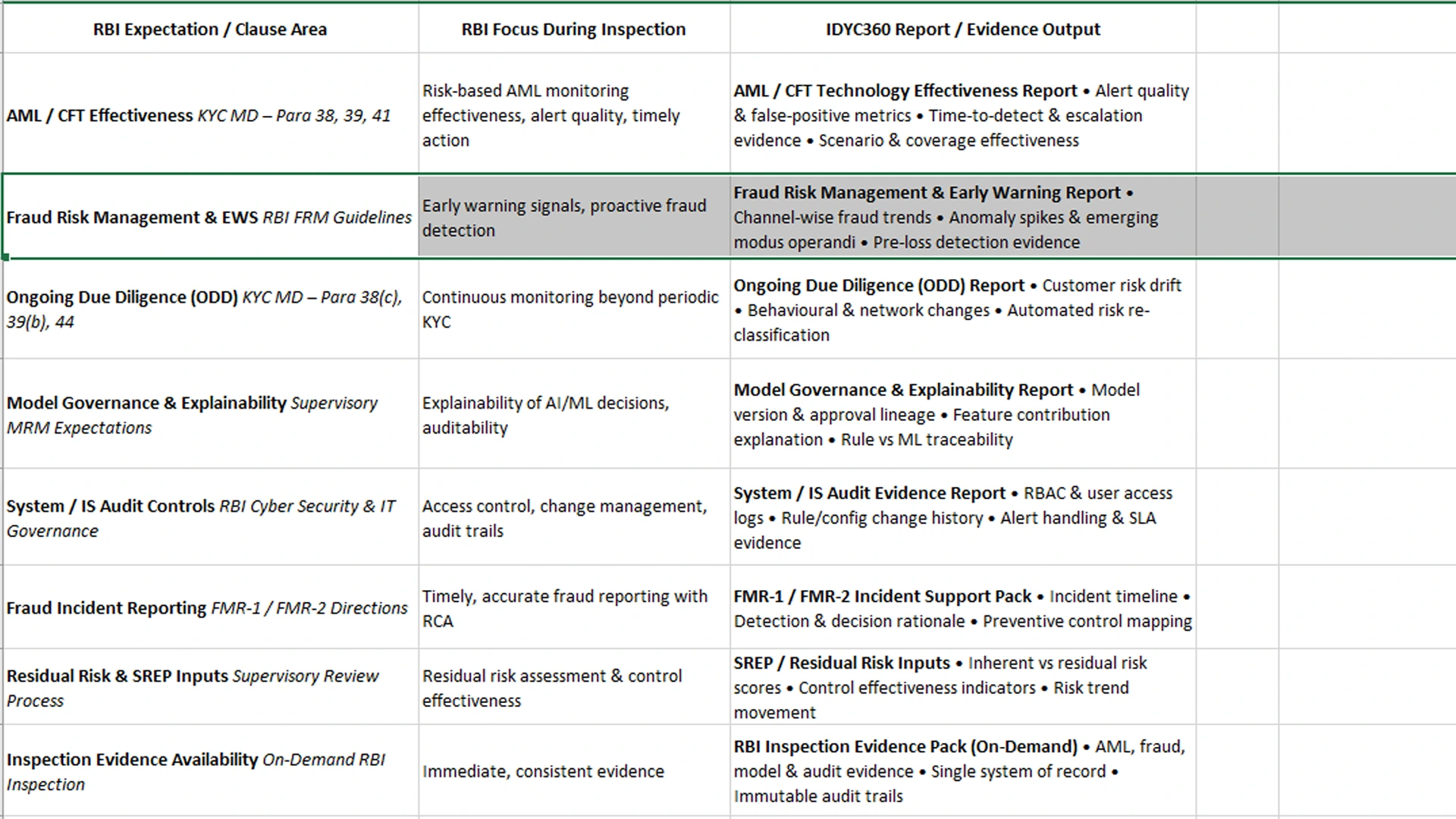
Read moreIntroduction: The Switch from Compliance to Supervisory Proof Across India’s regulated financial ecosystem, a structural shift is underway. Regulatory compliance is no longer evaluated by…
Read more