

In today’s digital world, online transactions have become a part of everyday life. While they offer speed and convenience, they also create opportunities for fraudsters to exploit businesses and consumers. Threats such as payment fraud, identity theft, account takeovers, and unauthorized transactions are becoming more frequent and sophisticated.
To stay ahead of these risks, organizations are increasingly using fraud scoring as an effective fraud prevention tool. Fraud scoring helps businesses evaluate the risk level of a transaction, customer, or activity by analyzing various data points and assigning a risk score. This allows organizations to quickly identify suspicious behavior, prevent financial losses, and improve security without disrupting genuine customers.
In this guide, we will explain what fraud scoring is, how it works, its key benefits, and how different industries use it to strengthen fraud detection and risk management strategies.
What Is Fraud Scoring?
Fraud scoring is a risk assessment technique used to determine the likelihood that a transaction, account, or user activity is fraudulent. It assigns a numerical risk score based on factors such as user behavior, transaction patterns, device information, location, and historical data. The higher the score, the greater the potential fraud risk.
Businesses use fraud scores to make real-time decisions—low-risk activities are approved, suspicious activities are flagged for review, and high-risk transactions may be blocked. Widely used in banking, fintech, e-commerce, and payment platforms, fraud scoring helps organizations prevent financial losses, enhance security, and provide a seamless experience for legitimate customers.
How Does Fraud Scoring Work?
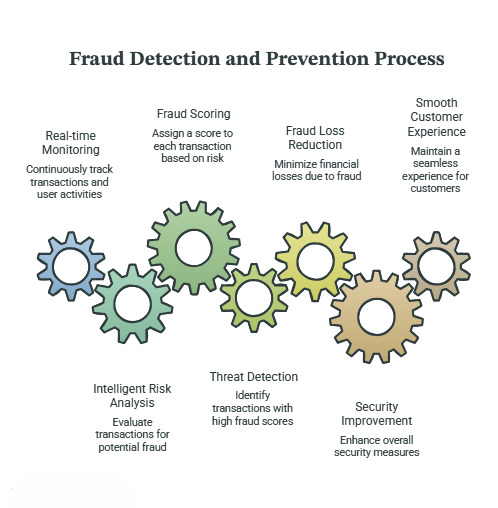
Fraud scoring uses data analytics, behavioural intelligence, and machine learning to assess the risk level of transactions and customer activities in real time. By analysing multiple risk indicators, organizations can quickly identify suspicious behaviour and take appropriate action.
1. Data Collection
The system gathers information from various sources, including customer profiles, transaction history, device details, IP addresses, and geolocation data for payers and beneficiary . This data provides a comprehensive view of user behaviour and transaction patterns.
2. Behavioural Analysis
User activities are continuously analysed to establish normal behaviour patterns. When unusual actions occur—such as transactions from unfamiliar locations, devices, or spending habits—the activity may be flagged as potentially suspicious.
3. Risk Assessment
Advanced analytics and machine learning models evaluate multiple risk factors, including transaction velocity, device changes, geographic anomalies, and historical fraud patterns. Each factor contributes to the overall risk evaluation.
4. Fraud Score and Decisioning
Based on the analysis, a risk score is assigned to the transaction or activity. Organizations can define thresholds to classify events as low, medium, or high risk. Depending on the score, transactions may be approved, challenged with additional verification, flagged for review, or blocked.
By combining real-time monitoring with intelligent risk analysis, fraud scoring helps organizations detect threats faster, reduce fraud losses, and improve security while maintaining a smooth customer experience.
Key Components of Fraud Scoring Systems
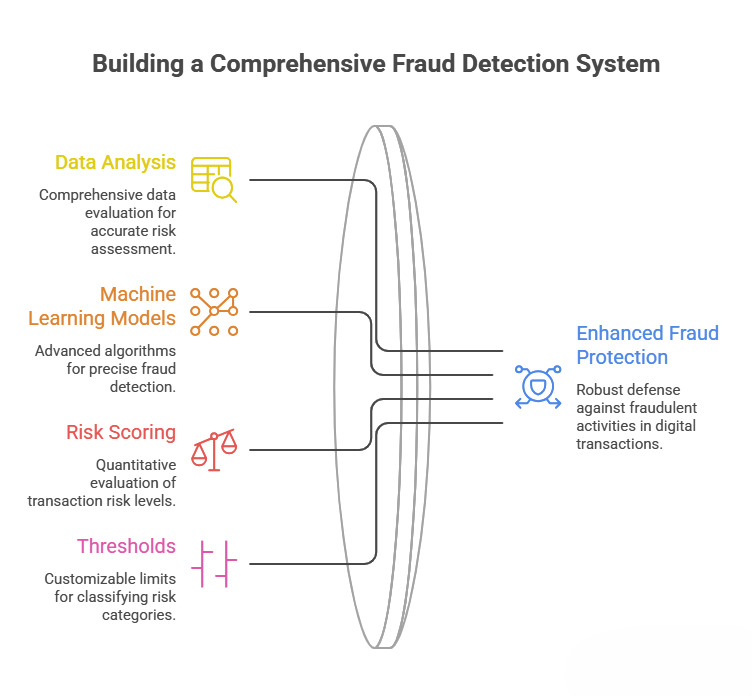
To understand how fraud scoring works, it is important to know the key components that make the system effective and accurate.
1. Data Analysis
Fraud scoring begins with the collection and analysis of data from multiple sources, including customer profiles, transaction records, device information, IP addresses, geolocation data, and account activities. By combining these data points, the system builds a comprehensive view of user behaviour and transaction patterns. Advanced analytics can then identify anomalies, behavioural changes, and potential fraud indicators in real time, enabling more accurate risk assessment and faster detection of suspicious activities.
2. Machine Learning Models
Modern fraud scoring solutions use machine learning and artificial intelligence to continuously improve detection accuracy. These models learn from historical transactions, customer transaction behaviour, and known fraud cases to identify emerging fraud patterns. Unlike traditional rule-based systems, machine learning can adapt to new threats and detect sophisticated fraud attempts that may otherwise go unnoticed.
3. Risk Scoring and Thresholds
After analysing the available data, the system assigns a risk score to each transaction or activity. Organizations can set customized thresholds to classify activities as low, medium, or high risk. Transactions with low scores may be approved automatically, while higher-risk activities can trigger alerts, additional verification steps, or manual reviews. Properly configured thresholds help businesses maintain strong fraud protection while minimizing false positives and ensuring a smooth customer experience.
Together, these components enable fraud scoring systems to deliver faster, smarter, and more accurate fraud detection in today’s digital environment
Benefits of Fraud Scoring
Fraud scoring provides organizations with a proactive way to identify and prevent fraudulent activities while maintaining a smooth customer experience. Here are some of its key benefits:
1. Early Detection of Fraud
Fraud scoring analyses transactions and user activities in real time, helping businesses identify suspicious behaviour before it leads to financial losses. This allows organizations to take immediate action and stop fraud before it escalates.
2. Improved Operational Efficiency
By automatically evaluating risk levels, fraud scoring reduces the need for manual reviews. Fraud prevention teams can focus their attention on genuinely high-risk cases, saving time and improving overall productivity.
3. Better Customer Experience
A well-designed fraud scoring system can distinguish between legitimate customers and suspicious activities. This reduces unnecessary transaction declines and verification requests, ensuring a seamless experience for genuine users.
4. Reduced Financial and Reputational Risk
Fraudulent transactions can result in chargebacks, financial losses, regulatory penalties, increased operational costs, and damage to a company’s reputation. Fraud scoring helps organizations minimize these risks, reduce resource consumption, and prevent fraud before it impacts the business.
5. Smarter Risk Management
By assigning risk scores to transactions and activities, organizations can make faster and more informed decisions. This enables them to balance security and convenience while adapting to evolving fraud threats.
Challenges and Limitations of Fraud Scoring
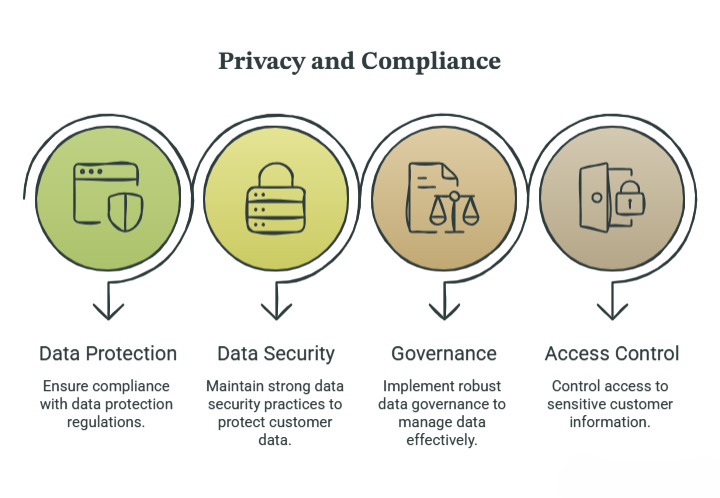
While fraud scoring is an effective fraud prevention tool, it does have some limitations that organizations should consider.
1. False Positives and False Negatives
A false positive occurs when a legitimate transaction is incorrectly flagged as fraudulent, which can frustrate customers. A false negative occurs when fraudulent activity is missed, potentially resulting in financial losses.
2. Evolving Fraud Tactics
Fraudsters continuously develop new methods to bypass security systems. As a result, fraud scoring models and detection rules must be regularly updated to remain effective.
3. Data Quality and Accuracy
Fraud scoring relies on accurate and complete data. Poor-quality, outdated, or missing data can reduce detection accuracy and lead to incorrect risk assessments.
4. Privacy and Compliance Requirements
Since fraud scoring systems process sensitive customer information, organizations must ensure compliance with data protection and privacy regulations such as GDPR, CCPA, and the Digital Personal Data Protection Act (DPDPA), while maintaining strong data security, governance, and access control practices. This helps protect customer data, support regulatory compliance, and build trust with stakeholders.
Examples of Fraud Scoring in Different Industries
Fraud scoring is widely used across industries to identify suspicious activities, reduce financial losses, and improve security. Here are some common examples:
1. Banking and Financial Services
Banks use fraud scoring to evaluate transactions, credit card payments, online banking activities, and loan applications. If a transaction appears unusual—such as a large payment from an unfamiliar location, high velocity with low amount and etc – the system can flag it for additional verification or temporarily block the activity. This helps financial institutions prevent fraud while supporting AML compliance efforts.
2. Payment Processors
Payment processors use fraud scoring to detect risks such as chargeback fraud, card-not-present fraud, and unauthorized payment attempts. Transactions with high-risk scores can be reviewed or challenged with additional authentication, helping reduce fraudulent payments and financial losses.
3. Cryptocurrency Platforms
Crypto exchanges and digital wallet providers rely on fraud scoring to identify suspicious trading behaviour, unusual account activity, and potential money laundering attempts. By analysing transaction patterns in real time, these platforms can detect threats early and maintain compliance with AML regulations.
4. Fintech Companies
Fintech organizations use fraud scoring to assess account openings, digital payments, peer-to-peer transfers, and loan applications. By analysing factors such as customer behaviour, transaction history, device information, and location data, fintech companies can identify fraudulent activities while providing a secure and seamless user experience.
Across all these industries, fraud scoring helps organizations make faster risk-based decisions, strengthen security, and protect both businesses and customers from financial crime.
Best Practices for Implementing Fraud Scoring
To get the most value from fraud scoring, organizations should follow a few key best practices that improve detection accuracy and strengthen security.
1.Use a Multi-Layered Security Approach
Fraud scoring works best when combined with additional security measures such as multi-factor authentication (MFA), identity verification, and transaction monitoring. This creates multiple layers of protection against fraud.
2. Regularly Update Fraud Models
Fraud tactics are constantly evolving. Organizations should regularly update their fraud detection rules, risk models, and machine learning algorithms to stay ahead of emerging threats.
3. Optimize Risk Thresholds
Risk thresholds should be monitored and adjusted over time to maintain the right balance between security and customer experience. This helps reduce false positives while ensuring genuine threats are detected.
4. Guide to Fraud Scoring feacher image
Since fraud scoring relies on customer data, businesses must implement strong data protection measures and comply with relevant privacy regulations. Protecting user information helps build trust and ensures regulatory compliance.
Fraud Scoring with IDYC360
Effective fraud scoring requires more than just assigning risk scores. Organizations need a solution that can analyse large volumes of transactions, identify suspicious patterns, and respond to threats in real time. This is where IDYC360 helps.
IDYC360 combines AI-powered fraud detection, behavioural analytics, and transaction monitoring to evaluate risk across customer activities and transactions. By analysing factors such as user behaviour, device information, transaction velocity, geolocation, and historical activity, the platform helps organizations identify potentially fraudulent actions before they result in financial losses.
In addition to fraud scoring, IDYC360 supports AML compliance, customer screening, and ongoing monitoring, enabling businesses to manage fraud and compliance risks through a single platform. This allows banks, fintech companies, payment providers, and other organizations to make faster risk-based decisions while maintaining a secure and seamless customer experience.
As fraud techniques continue to evolve, intelligent solutions like IDYC360 help organizations strengthen fraud prevention strategies, reduce operational risks, and improve overall security.
Conclusion
Fraud scoring has become an essential component of modern fraud prevention strategies. By analysing transactions, user behaviour, and risk indicators in real time, organizations can identify suspicious activities, reduce financial losses, and protect customer trust. From banking and fintech to payment processing and cryptocurrency platforms, fraud scoring helps businesses make faster and more informed risk decisions while maintaining a seamless user experience.
As fraud threats continue to evolve, organizations need intelligent and adaptive solutions to stay ahead of emerging risks. Platforms like IDYC360 enhance fraud scoring with AI-powered analytics, behavioural intelligence, real-time transaction monitoring, and AML compliance capabilities, enabling businesses to strengthen security and improve operational efficiency. By combining advanced technology with proactive risk management, organizations can build a more secure and resilient digital ecosystem.
Frequently Asked Questions (FAQs)
1. What is fraud scoring?
Fraud scoring is a risk assessment method that evaluates transactions, accounts, or user activities and assigns a risk score based on the likelihood of fraud.
2. How does fraud scoring work?
Fraud scoring analyzes customer behavior, transaction history, device information, location data, and other risk indicators to identify suspicious activities in real time.
3. Why is fraud scoring important?
Fraud scoring helps organizations detect fraud early, reduce financial losses, improve security, and provide a better customer experience.
4. Which industries use fraud scoring?
Fraud scoring is widely used in banking, fintech, payment processing, e-commerce, insurance, and cryptocurrency platforms.
5. What data is used in fraud scoring?
Fraud scoring systems typically analyze transaction data, customer profiles, device information, IP addresses, geolocation data, and behavioral patterns.
Ready to Stay
Compliant—Without Slowing Down?
Move at crypto speed without losing sight of your regulatory obligations.
With IDYC360, you can scale securely, onboard instantly, and monitor risk in real time—without the friction.



Related to this topic:

Smarter Fraud Detection for Banks with AI