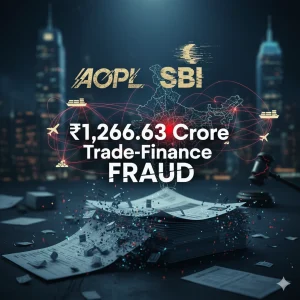
As global commerce platforms grow in scale and complexity, supply chains have emerged as prime channels for money laundering and sanctions evasion.
In 2025, regulators expect all players, banks, fintechs, logistics providers, and marketplaces to integrate rigorous anti-money laundering (AML) screening across trade networks. Failure to do so exposes businesses to regulatory penalties, reputational damage, and real financial crime risks.
But as trade volumes spike and transactions cross more borders, what does effective AML supply chain screening look like for modern commerce platforms?
Why this matters now:
- Criminals exploit vendor layering, high transaction volumes, and fragmented records to move dirty money undetected.
- Sanctions lists now focus heavily on supply chain links, not just buyers and sellers.
- Tech-powered commerce needs scalable, automated AML without slowing legitimate trade.
This article breaks down today’s challenges and solutions, spotlighting what compliance leaders need to prioritize in trade and commerce platforms.
Understanding AML Risks in Supply Chains
Money laundering in supply chains rarely looks like classic banking fraud. Instead, criminals use legitimate-looking trade flows and supplier relationships to mask dirty money and evade sanctions.
Key AML vulnerabilities include:
- Complex Ownership Structures: Criminals hide behind shell companies, obscure beneficial owners, and intermediaries embedded in vendor networks.
- Fictitious & Over/Under-Invoiced Transactions: Mispricing or fake trades conceal illicit fund transfers within bulk commodity trades.
- Phantom Shipments: Non-existent goods are “exported” or “imported” on paper, but serve only to justify monetary flows.
- Sanctions Evasion via Suppliers: Illicit entities route goods and funds through third-party suppliers or logistics intermediaries to obscure their involvement.
- Rapidly Shifting Trade Patterns: Sudden changes in trade routes, partners, or invoice patterns may indicate attempts to bypass risk monitoring.
Operational Challenges for Trade & Commerce Platforms
Screening every node in a trade network poses major hurdles:
- High Volumes & Multiple Jurisdictions: Platforms must monitor thousands of participants, invoices, and shipments, often spanning many regulatory environments.
- Data Quality & Fragmentation: Information on suppliers, beneficial owners, and shipments is often scattered across various systems and formats, making unified screening challenging.
- False Positives from Name Variants: Foreign language names, transliterations, and inconsistent data formats increase matching errors.
- Speed vs. Compliance: Real-time trade requires instant screening—manual reviews are unworkable for most digital platforms.
- Continuous Monitoring: Risks can evolve after onboarding—ongoing surveillance is essential to catch changes in ownership, sanctions status, or adverse media hits.
Red Flags & Risk Indicators
Modern AML supply chain screening focuses on detecting these abnormalities:
- Unusual Trade Patterns: New suppliers or buyers conducting large, uncharacteristic transactions.
- Inconsistent Documentation: Mismatches between invoices, contracts, and shipping documents; vague or generic commodity descriptions.
- High-Risk Geographies: Parties or shipments routed through jurisdictions known for weak AML oversight or significant sanctions exposure.
- Beneficial Ownership Opacity: Companies with complex, multi-layered ownership registered in secrecy havens.
- Multiple Invoicing & Round-Tripping: Repeated or circular funds transfers with the same counterparties for no clear business reason.
Commerce platforms must integrate these red flags into automated monitoring systems for rapid identification and escalation.
Best Practices & Technology Solutions
Leading platforms are meeting the challenge with multi-layered, technology-driven strategies:
Automated, Real-Time Screening
- Screen all transaction parties (buyers, suppliers, shippers, intermediaries) against global sanctions, PEP, and adverse media lists in real time.
- Use fuzzy and phonetic matching to improve accuracy across languages and data sources.
Integrated KYC & Trade Data
- Link KYC onboarding data with trade documents, shipping records, and invoice details for a complete risk picture.
- Real-time updates from global databases flag emerging risks without operational delay.
AI & Machine Learning for Anomaly Detection
- Deploy behavior analytics to spot abnormal transaction patterns, outlier price movements, and rapid changes in supplier relationships.
- Reduce false positives by continuously learning from resolved alerts and compliance team feedback.
Multi-Jurisdictional Coverage
- Ensure screening tools access updated global lists, such as OFAC, EU, UN, RBI, SEBI, INTERPOL, and more.
- Incorporate local language and country-specific rules for better coverage and lower compliance gaps.
Continuous Monitoring & Alerts
- Re-screen entities upon significant status changes—ownership shifts, new sanctions, or adverse media mentions.
- Auto-notify compliance teams with actionable insights, supporting timely review and intervention.
How IDYC360 Helps
IDYC360 leads the way in supply chain AML screening for trade and commerce platforms:
- Unified Screening Engine: Instantly screens every participant in your trade network against 3,500+ global lists (OFAC, FATF, RBI, INTERPOL) with advanced phonetic and fuzzy matching.
- AI-Powered Risk Detection: Real-time analytics flag suspicious trade flows, invoice anomalies, and high-risk suppliers using machine learning and behavioral profiling.
- Integrated KYC & Trade Data: Links onboarding, shipment, and transaction data to expose hidden risks and accelerate investigations.
- Continuous, Automated Alerts: Ongoing monitoring and smart alerting ensure you’re informed of any changes to risk profiles, such as ownership, sanctions, or business activity.
- Customizable API Integration: Seamlessly embeds into your trade, procurement, and ERP systems for end-to-end compliance.
- Expert Advisory Support: IDYC360’s specialists help you refine policies, onboard global suppliers, and implement new regulatory requirements rapidly.
Final Thoughts
As trade and commerce become increasingly digital and globally interconnected, robust supply chain AML screening is no longer optional.
Only by combining automation, advanced analytics, and continuous monitoring can platforms effectively prevent money laundering, comply with global standards, and safeguard their reputations.
The right approach doesn’t slow down business; it empowers growth with confidence and trust.
Ready to Stay
Compliant—Without Slowing Down?
Move at crypto speed without losing sight of your regulatory obligations.
With IDYC360, you can scale securely, onboard instantly, and monitor risk in real time—without the friction.