Emerging Threats: Terrorist Financing Typologies in 2025
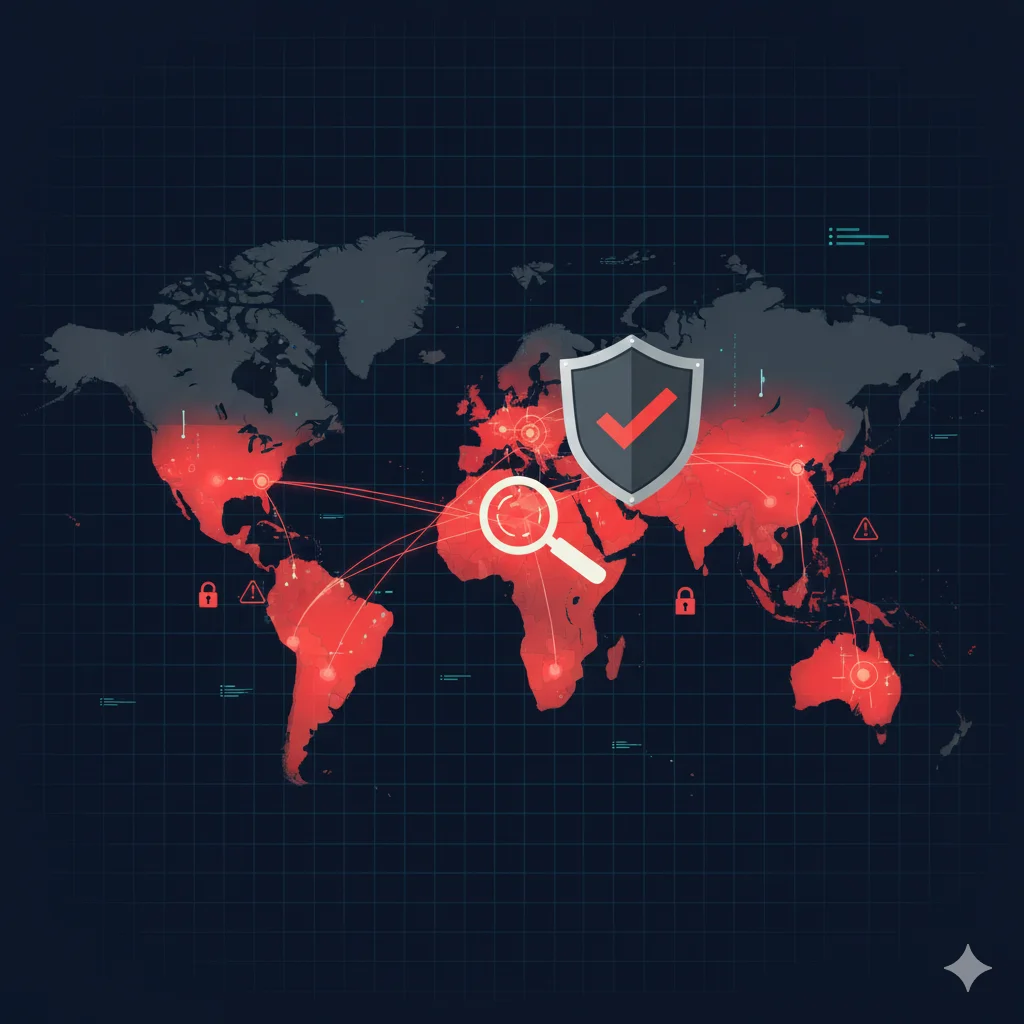
Terrorist financing isn’t new, but in 2025, it’s more decentralized, covert, and complex than ever. Unlike traditional money laundering, which often focuses on concealing illicit…
Read moreTerrorist financing isn’t new, but in 2025, it’s more decentralized, covert, and complex than ever. Unlike traditional money laundering, which often focuses on concealing illicit…
Read morePayment Service Providers (PSPs) are at the forefront of financial innovation. Whether powering e-commerce checkouts, embedded finance products, or peer-to-peer wallets, they enable high-speed, high-volume…
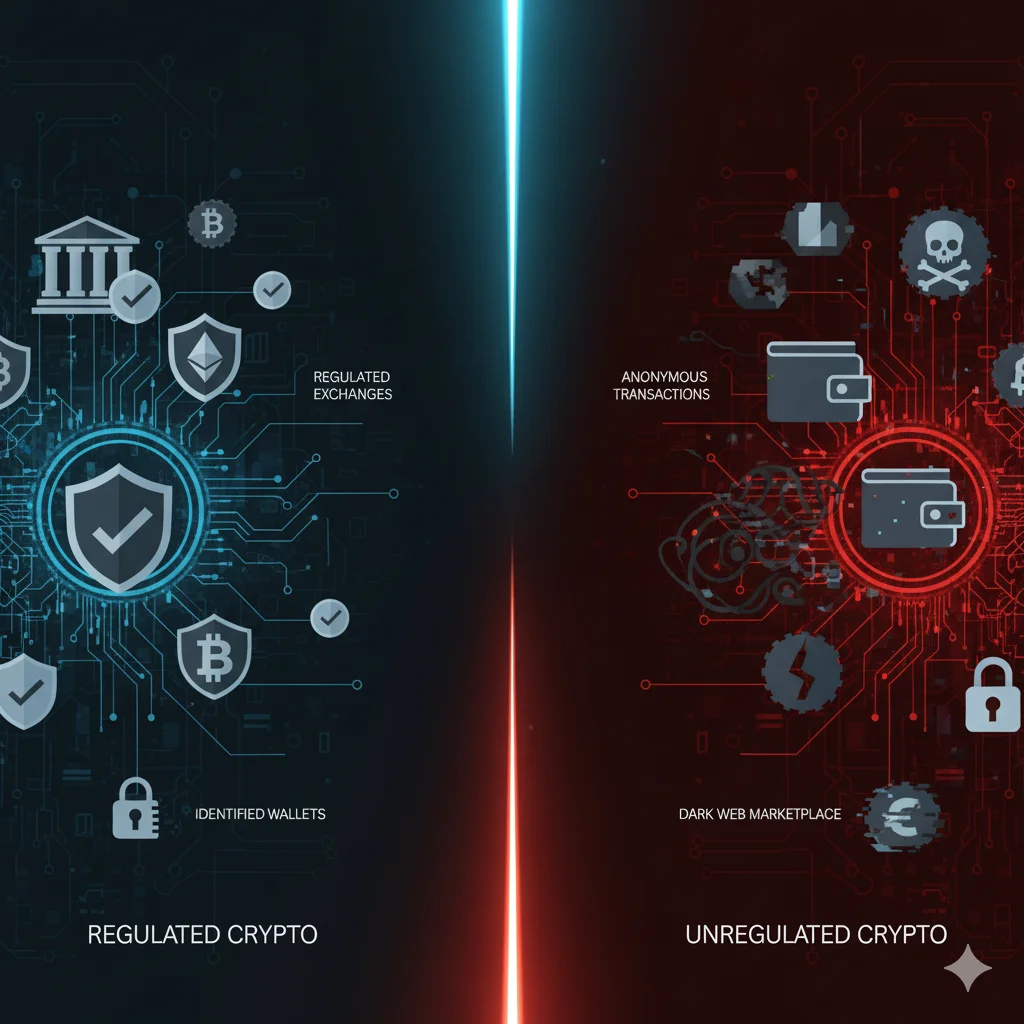
Read moreThe explosion of virtual asset providers (VASPs), including crypto exchanges, wallet services, token platforms, and NFT marketplaces, has opened new frontiers in finance. With innovation…
Read moreSanctions and watchlist screening are essential components of any AML compliance program. Yet traditional rule-based systems generate overwhelming volumes of false positives, up to 95%…
Read moreOnce considered a high-touch, low-volume compliance task, Politically Exposed Person (PEP) screening has now become a critical component of global AML frameworks. In today’s connected…
Read moreFinancial crime is evolving fast, and compliance roles are evolving with it. In 2025, fighting money laundering isn’t just about understanding regulations; it’s about knowing…
Read moreTrade-based money laundering (TBML) exploits the global trade system to disguise illicit proceeds as legitimate commerce. By manipulating pricing, quantities, or documentation across borders, criminals…
Read moreIn 2025, compliance has evolved far beyond checkbox exercises and regulatory afterthoughts. It’s now a strategic cornerstone that drives business resilience, stakeholder trust, and sustainable…
Read morePeer-to-peer (P2P) payments have fundamentally changed the way money moves in the digital age. Fast, convenient, and borderless, these transactions are now an everyday tool…
Read moreShell companies have long been used as tools for financial crime, but in 2025, they’ve become even harder to detect. They are legally registered, often…
Read more