

Physical Presence
Definition
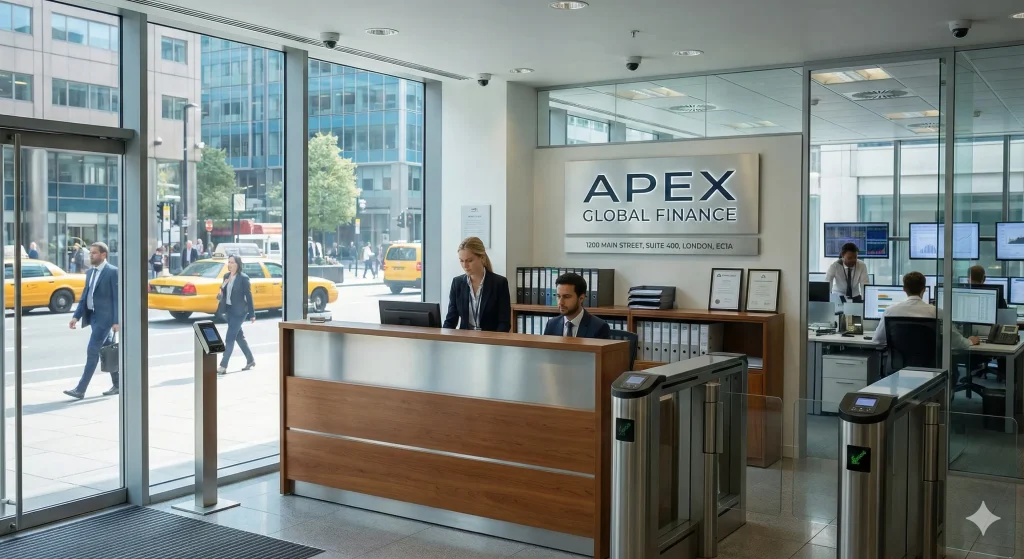
Physical presence refers to the verifiable, real-world existence of a natural person or legal entity at a specific geographic location.
In AML/CFT frameworks, it is used to distinguish legitimate, identifiable customers from shell entities, fictitious identities, or remote-only structures designed to obscure beneficial ownership or operational activity.
Regulators often expect reporting entities to confirm physical presence during customer onboarding, ongoing due diligence, and enhanced due diligence for higher-risk customers.
The concept is also applied to financial institutions themselves.
A bank or intermediary lacking meaningful physical presence in any jurisdiction is considered a higher-risk entity, often associated with shell banking or opaque cross-border arrangements.
Explanation
Verifying physical presence is a foundational element of customer due diligence.
It allows institutions to validate that an individual or entity genuinely operates from a declared address or place of business.
This validation reduces risks related to synthetic identities, fraudulent setups, transient entities, and criminal organisations using addresses as mere mail drops.
For legal entities, physical presence includes observable business activity, staff, operational infrastructure, and governance functions.
For individuals, it includes confirmation of residential or employment addresses and verification through independent, reliable sources.
Criminal networks often exploit the absence of physical presence to facilitate layering, anonymity, tax evasion, and movement of illicit funds through shell companies or virtual structures.
Weak verification increases exposure to correspondent banking risks, beneficial ownership gaps, and high-risk cross-border flows.
Physical Presence in AML/CFT Frameworks
In AML/CFT regimes, physical presence is linked to several regulatory requirements:
- Customer identification and verification during onboarding.
- Confirmation of business premises and operational legitimacy for corporate customers.
- Enhanced due diligence when physical presence cannot be confirmed or appears inconsistent.
- Assessment of financial institutions with no physical presence in any jurisdiction.
- Ongoing monitoring to detect changes in customer footprint or abandonment of operational locations.
Supervisors often flag entities without reasonable physical presence as higher risk because they are conducive to misuse for shell operations, money laundering, and terrorist financing.
Key Components of Physical Presence Verification
Evidence of Existence
Institutions typically validate physical presence using:
- Government-issued proof of address.
- Utility bills, tax records, or lease agreements.
- Business licenses showing operational premises.
- Site visits for high-risk clients or businesses.
- Third-party databases and registries confirming corporate activity.
Operational Substance (for Businesses)
A business is expected to demonstrate:
- Active operations, staff, and management presence.
- Functional infrastructure such as office space or production facilities.
- Reasonable purpose for the declared location relative to its business model.
- Transparent beneficial ownership and governance structures.
Geographical and Jurisdictional Considerations
Physical presence verification becomes critical when customers:
- Operate across high-risk jurisdictions.
- Use virtual offices, mail-forwarding services, or coworking spaces.
- Exhibit mismatches between declared location and business activity.
- Appear inconsistent with the risk rating, revenue flows, or industry norms.
Risks & Red Flags Associated With Lack of Physical Presence
Inadequate physical presence can indicate higher exposure to financial crime. Red flags include:
- Customers providing addresses linked to virtual offices or mailbox-only services.
- Entities that cannot demonstrate staff, operations, or tangible activity.
- Businesses claiming foreign physical presence but lacking evidence of operations there.
- Multiple unrelated businesses sharing the same small or non-operational address.
- Significant transaction volumes inconsistent with the size or location of the premises.
- Inability or unwillingness to verify physical location during due diligence.
Criminals may exploit remote-only structures to obscure the origin of funds, facilitate layering, or avoid regulatory oversight.
Common Methods & Techniques for Misuse
Absence of physical presence is often exploited through:
- Shell companies created solely for moving funds without genuine operations.
- Nominee arrangements where directors or shareholders exist only on paper.
- Layering through offshore addresses used to create jurisdictional complexity.
- Front companies that claim local addresses but conduct no actual business activity.
- Virtual-only platforms misrepresenting location to bypass regulatory scrutiny.
- Use of digital mailboxes to create the illusion of a multi-jurisdiction footprint.
Examples of Physical Presence Scenarios
Shell Entity Registered Through a Virtual Office
A company provides a prestigious city-center address but has no staff or operations.
During EDD, the entity cannot demonstrate actual physical presence, raising suspicion of shell activities.
Misaligned Operational Footprint
A business claims to operate manufacturing facilities abroad, but verification checks reveal only a mailbox and no physical site.
Transaction patterns suggest high-value cross-border flows inconsistent with the declared footprint.
Remote Fintech Platform Without Local Presence
A fintech onboarding customers in a regulated jurisdiction lacks local staff, offices, or supervisory visibility.
The regulator classifies it as high risk due to operational opacity.
Dormant Address With High Financial Activity
An individual’s declared residence is found to be vacant or non-existent, yet the account shows frequent high-value transfers.
Impact on Financial Institutions
Failure to verify physical presence exposes institutions to significant risks:
- Regulatory penalties for weak customer due diligence.
- Inability to establish beneficial ownership transparency.
- Elevated exposure to shell companies and illicit cross-border flows.
- Reputational damage through association with fictitious or non-substantive entities.
- Heightened operational burdens due to escalations, EDD reviews, and regulatory queries.
- Compromised transaction monitoring due to inaccurate risk profiling.
Institutions that rely on intermediaries or agents without physical presence face additional correspondent banking risks.
Challenges in Detecting & Preventing Abuse
Key challenges include:
- Increasing use of virtual offices and remote-only business models.
- Difficulty validating foreign premises where documentation standards vary.
- Limited access to reliable third-party data sources in certain jurisdictions.
- Evasive techniques such as rotating addresses or using short-term office rentals.
- High-volume onboarding where manual physical verification is resource-intensive.
Institutions must strengthen verification frameworks, use intelligence-led tools, and establish escalation pathways for cases where physical presence cannot be reasonably confirmed.
Regulatory Oversight & Governance Expectations
Regulators worldwide expect institutions to maintain documented procedures for validating physical presence, particularly for high-risk customers.
Key expectations include:
- Clear policies for proof-of-address verification.
- EDD for customers with weak or unverifiable physical presence.
- Use of independent data sources and site visits where appropriate.
- Prohibition of relationships with shell banks lacking physical presence.
- Ability to demonstrate robust decision-making for exceptions and higher-risk cases.
Global standards such as FATF Recommendation 10 (Customer Due Diligence) and Recommendation 13 (Correspondent Banking) emphasise the importance of operational presence and transparency.
Importance of Addressing Physical Presence in AML/CFT Compliance
Robust verification of physical presence strengthens AML/CFT outcomes by enabling institutions to:
- Detect and prevent misuse of shell entities and fictitious structures.
- Establish accurate customer risk profiles.
- Safeguard correspondent banking relationships.
- Prevent introduction of illicit funds through opaque or non-operational channels.
- Support intelligence-led compliance anchored in accurate identity and operational insights.
Physical presence remains a foundational control in mitigating identity-driven and structural financial crime risks.
Related Terms
- Beneficial Ownership
- Customer Due Diligence (CDD)
- Enhanced Due Diligence (EDD)
- Shell Company
- Correspondent Banking
- Operational Substance
References
- FATF. International Standards on Combating Money Laundering and the Financing of Terrorism
- FATF Guidance: Beneficial Ownership and Transparency
- BIS – AML/CFT in Banking (Executive Summary)
- FinCEN – Customer Due Diligence Requirements for Financial Institutions
Ready to Stay
Compliant—Without Slowing Down?
Move at crypto speed without losing sight of your regulatory obligations.
With IDYC360, you can scale securely, onboard instantly, and monitor risk in real time—without the friction.

